
DIY Home Improvements: How to Document Them for Insurance
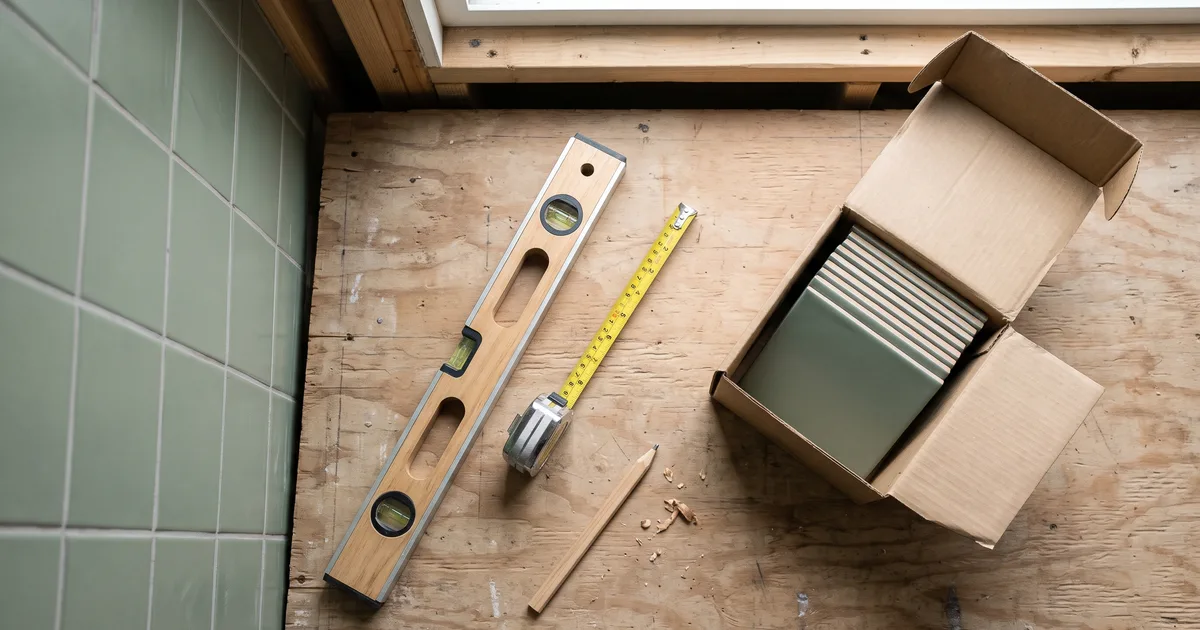
To document DIY home improvements for insurance, photograph the space before, during and after the work, keep every receipt and permit, and log what you installed with brand, model and cost. Then tell your insurer or agent what changed, so your coverage and any future claim reflect the home you actually built.
Most people now hire out the big jobs, which makes a do-it-yourselfer's paperwork more important, not less. A Harvard Joint Center for Housing Studies analysis, published in 2026 from American Housing Survey data, found the DIY share of homeowner improvement spending fell to 15.9 percent in 2023. With no contractor invoice, your own records are the only proof of the work.
Why should you document DIY home improvements?
You should document DIY home improvements because after a loss, the insurer needs to know what was there before it can price the repair. If an adjuster has no record of the heated floor or the custom shelving you built, you may have to prove it from memory, after the evidence is gone.
Picture a pipe that bursts behind a bathroom vanity you rebuilt last spring. Water damage of that kind is a common claim: Triple-I's homeowners claim statistics, based on ISO data, show an average of $15,400 per water damage and freezing claim from 2019 to 2023. Photos of the tile, vanity and fixtures you chose, plus receipts, give the adjuster something concrete to work from. Whether and how much the policy pays still depends on your policy and the cause.
What about flood damage?
Flood is a separate case. FloodSmart, the National Flood Insurance Program's site, notes that 99% of U.S. counties have had a flood event in the past 20 years, yet most homeowners insurance does not cover flood damage. Records of your improvements still help with a flood policy, but they can't create coverage your home policy doesn't have.
What to record before you start
The most useful records are made before you pick up a tool. They show what the space looked like and what you replaced.
- Before photos and a short video. Shoot each wall from a corner, then close-ups of what you will remove: old cabinets, flooring, fixtures, damage.
- A one-page plan. List the scope, measurements and the materials you intend to use.
- Permits. Check with your city or county whether the work needs a permit, and keep the application and approval.
- A call to your insurer or agent. Ask whether the project changes your coverage while work is underway and after.
In Canada, the Insurance Bureau of Canada's buying guide says reporting material changes to your property during the policy period is your responsibility, and to contact your insurance representative before you renovate or make upgrades. Many U.S. insurers expect the same, so check your policy's conditions.
How do you document a renovation while the work is in progress?
You document a renovation in progress by photographing every stage before it gets covered up, and saving receipts the day you buy materials. Wiring, plumbing, insulation and subfloor are invisible once the drywall goes on. Progress photos are often the only proof that work was done well and to code.
Keep a simple project log with a date for each step:
- Rough-in photos of new wiring, pipes, ducts and framing, with a tape measure in frame for scale.
- Photos of product labels, model numbers and serial plates on anything you install: water heater, fan, fixtures, flooring cartons.
- Receipts and order emails, filed by project. Photograph paper receipts, which fade.
- Inspection reports and any sign-offs.
- Notes on what you changed from the plan, and why.
What to keep when the project is finished
When the project is finished, take a full set of after photos from the same angles as your before photos, so the change is obvious side by side. Then build a short summary you can hand to your insurer or an adjuster.
| Record | What it proves | Where to keep it |
|---|---|---|
| Before, during and after photos | What was there and what replaced it | Cloud folder plus a second copy |
| Receipts and order history | Materials, brands and what you paid | Scanned, filed by project |
| Permits and inspection reports | The work met local code | Paper original plus a scan |
| Project summary | Scope, dates, total cost, hours you spent | One page, updated per project |
Your records do double duty in the U.S. IRS Publication 523 says improvements add to the value of your home, prolong its useful life, or adapt it to new uses, and their cost is added to your home's basis. Keep the paperwork and ask a tax professional how it applies to you.
If you keep a digital inventory, attach receipts to the items they belong to. In Claimfrog you can add receipts and serial numbers to each item, and the photos you take are stored as unaltered originals.
When should you tell your insurer about DIY home improvements?
Tell your insurer about DIY home improvements before major work starts and again when it is finished. Before, so you know whether the project affects your coverage while the house is torn up. After, so the insurer can review your dwelling limit against what the home would now cost to rebuild.
Changes worth a call include:
- Additions, finished basements and converted attics.
- New roofs, windows and siding.
- Electrical panel upgrades, rewiring, new plumbing or a new heating system.
- Kitchen and bathroom remodels.
- Pools, hot tubs and wood stoves, which can change how an insurer sees your risk.
Have your project summary and photos ready when you call. If you are working on a kitchen specifically, our guide on updating your insurance after a kitchen remodel covers which coverage limits to review and what to tell your insurer.
Frequently asked questions
Do I need to tell my insurer about DIY work?
Usually, yes, for anything that changes the structure, systems or value of your home: a new bathroom, rewiring, a finished basement, a new roof. In Canada, the Insurance Bureau of Canada says to contact your insurance representative before you renovate. Small cosmetic jobs like painting rarely need a call, but ask your agent if you are unsure.
Are photos alone enough to prove a DIY improvement?
Photos are the strongest single record, but they work best alongside receipts that show what you bought and when. A photo proves the tile was there; the receipt proves what it cost and which product it was. Together they let an adjuster price the work without guessing. Add permits and inspection records for any regulated work.
Does doing the work myself lower its value for insurance?
Not necessarily. Insurers generally look at what it would cost to rebuild or repair your home, which depends on materials and labor at today's prices, not on who did the original work. Unpermitted or poor-quality work is a separate concern, so keep permits and inspection sign-offs where your area requires them.
How long should I keep records of home improvements?
Keep them for as long as you own the home, and keep a copy outside the house. They help with insurance claims at any point, and in the U.S. the IRS says to keep records that document your home's adjusted basis. Ask a tax professional how long you need them after a sale.
What to do next
- Pick your last finished project and gather its receipts, photos and permits into one folder.
- Take after photos of that space today, with close-ups of fixtures and model labels.
- Write a one-page summary: what you did, when, what it cost.
- For your next project, take before photos before you buy a single board.
- Call your agent with your summary and ask whether your dwelling limit still fits.
For help photographing the rest of your belongings, see the homeowners and renters page. If you ever do file, these common claim mistakes are worth knowing first. Policies differ, so confirm the details with your insurer or agent. When you want your project photos and receipts in one place, you can start a free Claimfrog inventory.
Sources
- Harvard Joint Center for Housing Studies: Home improvement spending has shifted away from DIY (jchs.harvard.edu)
- Triple-I: Facts + Statistics: Homeowners and renters insurance (iii.org)
- FloodSmart (NFIP): Flood insurance basics (floodsmart.gov)
- Insurance Bureau of Canada: How to buy home insurance (ibc.ca)
- IRS Publication 523 (2025), Selling Your Home (irs.gov)
Researched, source-checked and reviewed by the Claimfrog Team under our editorial standards. General information, not insurance, legal or tax advice: policies differ, so confirm details with your insurer or agent.