
Rising Home Insurance Costs: Is Climate Change to Blame?
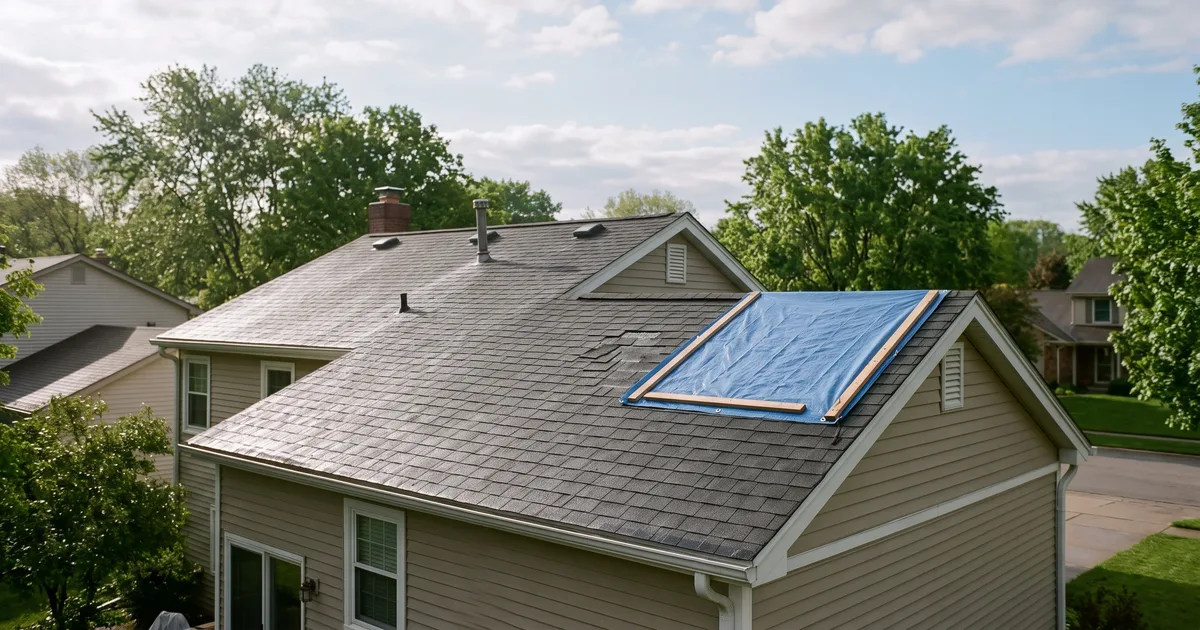
Rising home insurance costs have several causes at once: larger weather and catastrophe losses, higher costs to repair and rebuild homes, the price insurers pay for their own reinsurance and, in some states, lawsuits over claims. Climate-related weather losses are a major driver, but not the only one.
The increase is broad. An NAIC analysis of 2018-2024 data, released in August 2026, found that the average homeowners premium per policy rose in every NAIC region, with inflation-adjusted increases ranging from 18.3% to 43.3%.
Why is home insurance going up?
Home insurance is going up mainly because insurers are paying more for claims, and premiums are set to cover expected claims plus the insurer's other costs. Claims cost more when there are more damaging events, when each repair costs more, and when more claims end up in court. Reinsurance, the insurance that insurers buy for themselves, is another cost that flows into rates.
How much each cause matters depends on where you live. The NAIC's analysis describes homeowners insurance as a local market shaped by factors such as weather risk, rebuilding costs, claims patterns and how many insurers are writing policies in the area. A homeowner in a hail-prone area and one on the Gulf Coast can see similar increases for quite different reasons.
Is climate change to blame for rising home insurance costs?
Climate change is part of the answer, through bigger weather losses, but rising home insurance costs also reflect inflation, more homes built in risky places, reinsurance prices and litigation. No single cause explains the whole increase, and the mix differs from state to state.
Weather losses are large and frequent. Climate Central's 2025 report counted 23 U.S. weather and climate disasters with at least $1 billion in damages in 2025, costing about $115.0 billion in total. That was the third-highest count since 1980, behind 2023 with 28 events and 2024 with 27. The same report looks at growing exposure and vulnerability alongside climate change, since more homes in harm's way also raise the damage from each event.
The type of event matters too. Triple-I noted in December 2025 that even in a year without a landfalling U.S. hurricane, severe convective storms (thunderstorms that bring hail, tornadoes and damaging wind), wildfires and flash floods were becoming major sources of insurer losses.
How do rebuilding costs affect home insurance premiums?
Rebuilding costs affect premiums directly: when lumber, roofing, labor and appliances cost more, every claim costs the insurer more to pay, and rates rise to match. This happens even in places with no change in weather risk.
A December 2025 Triple-I analysis found that repair and rebuilding expenses jumped nearly 30% over the previous five years, driven by inflation, supply-chain problems, higher material prices, labor shortages and federal tariffs.
Higher building costs can also leave you underinsured. If your dwelling limit hasn't kept pace, a total loss could cost more to rebuild than your policy pays. The same is true of your belongings: if you haven't checked your contents limit in years, you can estimate what your belongings are worth and compare the figure with your declarations page.
What role does reinsurance play in home insurance costs?
Reinsurance is insurance that insurance companies buy to cover part of their losses from very large events, such as a major hurricane. When reinsurance gets more expensive or harder to buy, that cost works its way into the premiums homeowners pay.
Florida shows how this works. In its July 2026 stability report, Florida's Office of Insurance Regulation says Florida insurers are especially reliant on reinsurance, and that when reinsurance is readily available and affordable, the premium impact to consumers is modest. The same report says preliminary 2026 data show nearly half of the insurers it surveyed getting risk-adjusted reinsurance price reductions of 15% to 25%.
The report also notes that Florida's insurers are sensitive to hardening reinsurance market conditions, so this cost can push premiums up in some years and ease in others.
Do lawsuits raise home insurance costs?
Lawsuits raise costs where they are common, because legal fees and larger settlements add to what insurers pay on claims. Florida is the clearest example in recent years, and its regulator tracks the numbers.
According to the same Florida report, Florida accounted for 9.73% of U.S. homeowners claims but 71.59% of homeowners lawsuits in 2023, based on NAIC market conduct data. Litigation reforms passed in 2022 and 2023, yet Florida's share of suits was still 73.15% in 2024; preliminary 2025 figures show Florida at 4.85% of claims and 41.29% of lawsuits. Because one state accounted for most homeowners lawsuits nationwide in recent years, litigation is a state-specific factor rather than a national one.
Are home insurance costs rising in Canada too?
Canadian homeowners face the same pressure from weather losses. The Insurance Bureau of Canada reported in January 2026 that insured damage from severe weather exceeded $2.4 billion in 2025, making it the tenth costliest year on record in Canada.
Citing CatIQ data, IBC also reported that insured losses from catastrophic weather and wildfires totaled $37 billion over the decade from 2016 to 2025, compared with $14 billion from 2006 to 2015, adjusted for inflation. These are insured loss figures, not premiums, and rates are set province by province, so ask your broker how they apply to your policy.
Frequently asked questions
Will home insurance prices go down?
Nobody can promise that, and it depends heavily on where you live. Prices follow claim costs, rebuilding costs and reinsurance prices, and some of those pressures have eased in places, such as Florida after its litigation reforms. Others, like severe storms and wildfires, keep adding losses. Watch your own renewal notice and compare quotes each year rather than relying on national headlines.
Why did my premium go up if I never filed a claim?
Rates are set for groups of similar homes in an area, so higher claim costs for your neighbors and your region can raise your price too. Your insurer may also have raised your dwelling limit to keep up with building costs, which raises the premium. Compare this year's declarations page with last year's to see what changed, and ask your agent to explain it.
Does a home inventory lower my insurance premium?
Usually not directly. What an inventory does is help you choose a contents limit that matches what you own, so you aren't paying for coverage you don't need or carrying too little. It also gives you the proof an adjuster asks for if you ever file a claim.
How can I lower my home insurance premium?
Common options include comparing quotes from several insurers, choosing a higher deductible you could afford to pay, and asking whether your insurer offers discounts for features such as a newer or impact-resistant roof. Each option has trade-offs, so ask your agent what applies in your state before you change anything.
What to do next
- Put this year's declarations page next to last year's and note what changed: premium, dwelling limit, deductibles and any new exclusions.
- Ask your agent which part of the increase came from rates and which from a higher dwelling limit.
- Check that your dwelling limit reflects current rebuilding costs in your area.
- Ask about mitigation discounts and deductible options, and get at least one competing quote.
- Confirm which policy form you have; our guide to home insurance policy types explains the differences.
Claimfrog's coverage check compares your inventory's total replacement value with your contents coverage and can remind you before renewal. Policies differ, so confirm the details with your insurer or agent. For more on protecting your home and belongings, see our homeowners and renters page, or start a free Claimfrog inventory.
Sources
- NAIC: NAIC releases first-of-its-kind national analysis of homeowners insurance market trends (August 5, 2026) (content.naic.org)
- Climate Central: U.S. Billion-Dollar Weather and Climate Disasters in 2025 (March 9, 2026) (climatecentral.org)
- Triple-I: Inflation, replacement costs, climate losses shape homeowners' insurance options (December 17, 2025) (iii.org)
- Florida Office of Insurance Regulation: Property Insurance Stability Report, July 2026 (floir.gov)
- Insurance Bureau of Canada: Severe weather-related insured losses in Canada exceed $2.4 billion in 2025 (January 20, 2026) (ibc.ca)
Researched, source-checked and reviewed by the Claimfrog Team under our editorial standards. General information, not insurance, legal or tax advice: policies differ, so confirm details with your insurer or agent.